Posts

Showing posts with the label Home Hearing Tests

Hearing Aids For Pensioners: A Sound Solution

Image
As we age, our bodies undergo various changes, and one common challenge faced by many seniors is hearing loss. Hearing and engaging in conversations are crucial for maintaining social connections and overall well-being.  Luckily, we have assistive listening devices, like hearing aids, specifically designed for pensioners. These devices address their unique hearing needs. In this blog, we will explore the benefits of hearing aids for pensioners and how to obtain them through hearing test at home . The Impact of Hearing Loss on Pensioners Hearing loss can greatly affect the lives of older people. It can make them feel alone, frustrated, and unable to think clearly.  Simple activities like talking with others, watching TV, or using the phone can become complex and stressful. Thankfully, using the proper assistive listening devices can help reduce these difficulties. The Power of Hearing Aids for Pensioners Hearing aids are tiny electronic devices that make sounds louder and help ...
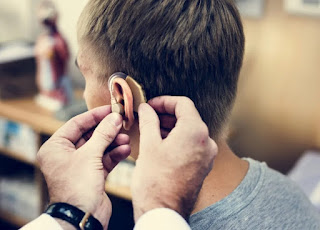
Do You Need To Conduct A Hearing Test For Mild Hearing Loss?

Image
  The inability to hear sounds entirely or partially is known as listening impairment, deafness, or loss. Hearing loss symptoms can range in severity from slight to severe. Patients with small inability may have difficulty understanding speech, especially if there is a lot of background noise, but those with moderate deafness may require assistive devices. While millions of Australians potentially benefit from this equipment, a significant minority do not use them, according to numerous notable doctors and audiologists. They can help you enhance your work, relationships, and mental health, even if your inability is minor. Find out more about what devices for mild hearing loss may do for you. The most frequent and underdiagnosed type of hearing loss is "mild." When is a hearing loss called mild? People with modest difficulties can typically hear sounds louder than 40 dB, but they may have trouble listening to sounds louder than 40 decibels. For example, consider the following:...